
[Quy trình chuẩn SEO cho website]

Executive Summary

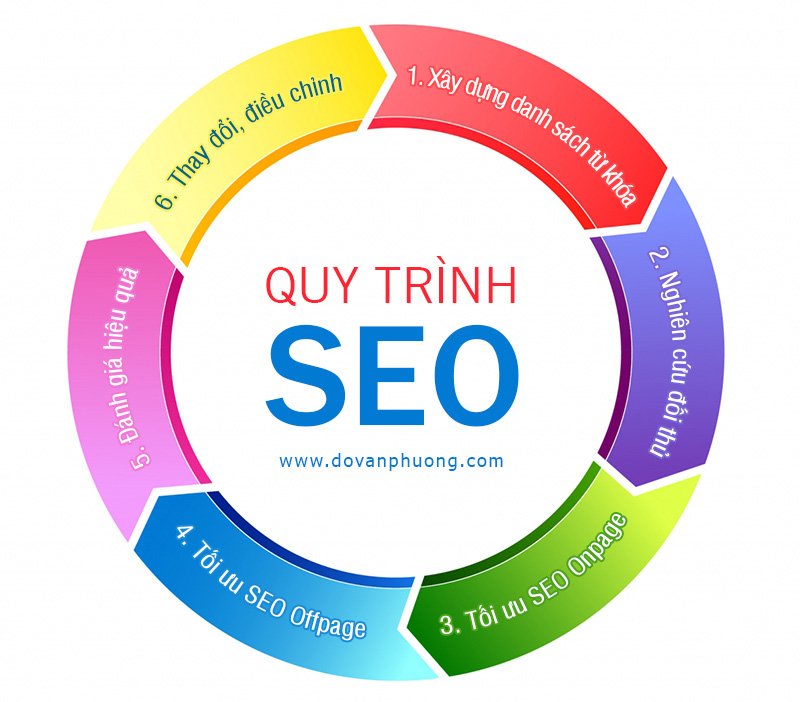
This comprehensive guide delves into the essential steps of a standard SEO process for websites. We’ll explore key strategies to improve your website’s search engine ranking, driving more organic traffic and ultimately boosting your online visibility and business success. This guide is designed to be actionable, providing practical advice and specific tactics you can implement immediately. Whether you’re a seasoned SEO expert or just starting out, this resource will equip you with the knowledge and tools to optimize your website effectively. We’ll cover crucial aspects from keyword research and on-page optimization to link building and technical SEO, ensuring your website is fully optimized for search engines. Get ready to transform your online presence!
Introduction
In today’s digital landscape, a strong online presence is crucial for business success. Search engine optimization (SEO) plays a vital role in achieving this. By understanding and implementing a robust SEO process, you can attract more organic traffic to your website, leading to increased brand awareness, lead generation, and ultimately, higher sales. This guide provides a clear, actionable roadmap to help you navigate the complexities of SEO and achieve your online goals. We’ll break down the process into manageable steps, making SEO less daunting and more achievable for everyone.
Frequently Asked Questions (FAQs)
- Q: How long does it take to see results from SEO efforts?
A: SEO is a long-term strategy. While you might see some initial improvements within a few weeks, significant results usually take several months. Consistency and patience are key.
- Q: Do I need to hire an SEO expert?
A: While hiring an SEO expert can be beneficial, particularly for large or complex websites, many businesses can successfully manage their SEO in-house with diligent effort and the right resources. This guide provides the information you need to get started.
- Q: What is the difference between on-page and off-page SEO?
A: On-page SEO refers to optimizing elements within your website, such as content, meta descriptions, and headings. Off-page SEO focuses on activities outside your website, such as link building and social media marketing.
Nghiên cứu từ khóa (Keyword Research)
Keyword research is the cornerstone of any successful SEO strategy. Identifying the terms and phrases your target audience uses to search for products or services like yours is paramount. This process informs every other aspect of your SEO efforts, from content creation to website structure.
Utilize keyword research tools: Tools like SEMrush, Ahrefs, and Google Keyword Planner provide invaluable data on search volume, competition, and related keywords. Analyze the data to identify keywords with a good balance of search volume and manageable competition.
Focus on long-tail keywords: These are longer, more specific phrases that often have less competition and higher conversion rates. For example, instead of targeting “shoes,” consider “best running shoes for women with flat feet.”
Analyze competitor keywords: Identify the keywords your competitors are ranking for and consider how you can target them strategically. Don’t simply copy; aim to provide unique value and a different angle.
Incorporate keywords naturally: Avoid keyword stuffing – excessively repeating keywords in your content. Focus on creating high-quality, engaging content that naturally incorporates relevant keywords.
Map keywords to website pages: Assign specific keywords to individual pages on your website to avoid diluting your efforts and improving the clarity of your website’s structure.
Monitor keyword performance: Regularly track your keyword rankings and adjust your strategy accordingly. What works today might not work tomorrow, so staying agile is essential.
Tối ưu hóa trên trang (On-Page Optimization)
On-page optimization involves optimizing all aspects of your website’s content and structure to improve its search engine ranking. This is a crucial area focusing on the elements directly within your control.
Optimize title tags and meta descriptions: These elements are essential for attracting clicks from search engine results pages (SERPs). Craft compelling, keyword-rich title tags and meta descriptions that accurately reflect the content of your pages.
Create high-quality, relevant content: Content is king! Focus on providing valuable, informative, and engaging content that satisfies the search intent of your target audience. Thoroughly research your topic, offer unique insights, and write in a clear, concise style.
Optimize header tags (H1-H6): Use header tags to structure your content logically and incorporate relevant keywords. The H1 tag should be your primary keyword and the subsequent headers should build upon it.
Optimize images with alt text: Alt text describes images to search engines and visually impaired users. Use relevant keywords when describing images.
Build internal links: Link relevant pages within your website to improve navigation and distribute link equity. This enhances both user experience and SEO.
Ensure mobile-friendliness: Google prioritizes mobile-friendly websites. Ensure your site is responsive and adapts to different screen sizes.
Xây dựng liên kết (Link Building)
Link building refers to earning high-quality backlinks from other reputable websites. Search engines view backlinks as votes of confidence, and a strong backlink profile can significantly boost your website’s authority and ranking.
Focus on quality over quantity: A few high-quality backlinks from authoritative websites are far more valuable than many low-quality backlinks from irrelevant or spammy sites.
Guest blogging: Contribute valuable content to other relevant websites in your industry. This provides an opportunity to include a link back to your website.
Broken link building: Identify broken links on other websites and offer your relevant content as a replacement.
Directory submissions: Submit your website to relevant online directories. However, ensure the directories are reputable and not spammy.
Social media promotion: Share your content on social media platforms to increase visibility and potentially attract backlinks.
Build relationships with other websites: Networking with other website owners in your industry can lead to mutually beneficial link-building opportunities.
Tối ưu hóa kỹ thuật (Technical SEO)
Technical SEO encompasses the technical aspects of your website that affect its search engine ranking. Ensuring a solid technical foundation is essential for search engine crawlability and indexability.
Optimize website speed: A slow website will negatively impact your ranking. Use tools to analyze your site speed and implement necessary improvements, like optimizing images and minimizing HTTP requests.
Improve website security (HTTPS): Secure your website with HTTPS to build trust with users and improve search engine ranking. A secure website is a ranking factor.
Submit your sitemap to search engines: A sitemap helps search engine crawlers discover and index your website’s pages.
Create a robots.txt file: This file tells search engine crawlers which pages to index and which to ignore.
Fix broken links: Broken links provide a poor user experience and can negatively impact your SEO. Regularly check your website for broken links and fix them promptly.
Use structured data markup (schema): Schema markup provides context to search engines, improving understanding of your content and potentially leading to rich snippets in search results.
Phân tích và báo cáo (Analytics and Reporting)
Regularly analyzing your SEO performance is crucial for identifying what’s working and what needs improvement. This data-driven approach allows you to adapt your strategy and optimize your results.
Use Google Analytics and Google Search Console: These tools provide valuable data on website traffic, keyword rankings, and other key metrics.
Track key performance indicators (KPIs): Focus on KPIs that are relevant to your business goals, such as organic traffic, conversion rates, and keyword rankings.
Regularly review your data: Analyze your data at least monthly to identify trends and make necessary adjustments.
A/B test different approaches: Experiment with different SEO techniques to see what works best for your website.
Adapt your strategy based on data: Don’t be afraid to change your strategy if something isn’t working. The digital landscape is constantly evolving, and what works today may not work tomorrow.
Use reporting tools to present data effectively: This makes it easier to track progress and identify areas for improvement.
Conclusion
Implementing a robust SEO process is an ongoing commitment. It requires consistent effort, analysis, and adaptation. By focusing on keyword research, on-page optimization, link building, technical SEO, and regular analysis, you can significantly improve your website’s visibility, attract more organic traffic, and achieve your online business goals. Remember that patience and persistence are crucial for success in SEO. The results may not be immediate, but the long-term benefits are well worth the effort. Start implementing these strategies today and watch your website flourish.
Keyword Tags
[SEO, Quy trình SEO, Tối ưu hóa website, Nghiên cứu từ khóa, Xây dựng liên kết]- Giải Pháp Thiết Kế Web Công Ty Theo Ngành
- Bí quyết SEO Onpage chuẩn SEO: Tăng tốc website mùa sale!
- Google Ads: Các hình thức quảng cáo Google mạnh mẽ cho doanh nghiệp của bạn
- Thêm Website Vào Google Search Console: Hướng Dẫn Chi Tiết Để Tối Ưu SEO
- Dịch Vụ Hosting Là Gì? Tất Tần Tật Về Web Hosting Cho Người Mới Bắt Đầu


