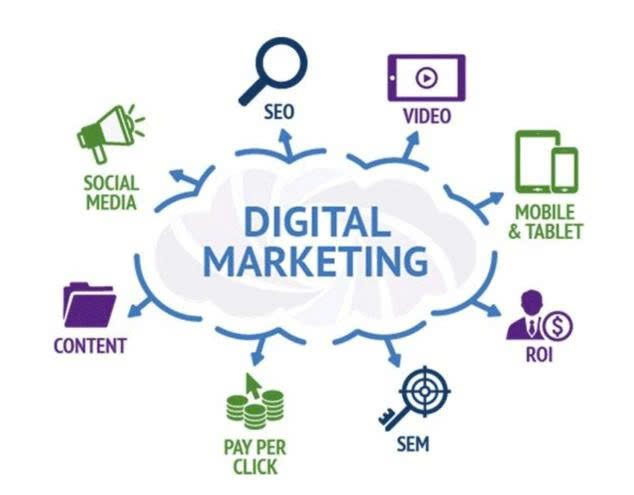
Marketing online đang ngày càng phát triển trong thời đại hiện nay. Không chỉ giúp người dùng gia tăng khả năng tiếp cận khách hàng hiệu quả, mà còn tiết kiệm rất nhiều chi phí trong quá trình hoạt động nữa. Trong bài viết này, chúng ta sẽ đi tìm hiểu những lợi ích và TOP chiến lược thu hút khách hàng trực tuyến.
Lợi ích của Marketing online
Marketing online giúp tăng khả năng tiếp cận khách hàng
Trước đây, doanh nghiệp chỉ có thể tiếp cận khách hàng tại một địa điểm cụ thể. Tuy nhiên, với sự phát triển của internet, doanh nghiệp có thể tiếp cận khách hàng ở mọi nơi trên thế giới. Điều này được thực hiện thông qua các kênh tiếp thị trực tuyến như website, mạng xã hội, email marketing,…
Ví dụ: Một doanh nghiệp bán hàng trực tuyến có thể sử dụng các công cụ marketing online để tiếp cận khách hàng ở các quốc gia khác nhau. Điều này giúp doanh nghiệp mở rộng thị trường và tăng doanh số bán hàng.
Marketing online mang lại những lợi ích gì?
Marketing online giúp tăng nhận thức về thương hiệu
Marketing online giúp doanh nghiệp xây dựng và quảng bá thương hiệu của mình đến với công chúng. Thông qua các hoạt động như tạo nội dung chất lượng, tổ chức các sự kiện,…
Ví dụ: Một doanh nghiệp dịch vụ có thể sử dụng các phương pháp marketing online để xây dựng thương hiệu chuyên nghiệp và uy tín. Điều này giúp doanh nghiệp thu hút được nhiều khách hàng tiềm năng.
Tăng doanh số bán hàng
Marketing online giúp doanh nghiệp tăng doanh số bán hàng, thúc đẩy khách hàng tiềm năng hành động như mua hàng, đăng ký dịch vụ,… Điều này được thực hiện thông qua các chiến dịch quảng cáo, email marketing,…
Ví dụ: Một doanh nghiệp thương mại điện tử có thể sử dụng các phương pháp marketing online để thúc đẩy khách hàng mua sắm online. Điều này giúp doanh nghiệp tăng doanh số bán hàng và giảm chi phí vận chuyển.
Tiết kiệm chi phí
Marketing online thường có chi phí thấp hơn so với các hình thức marketing truyền thống. Bằng cách sử dụng quảng cáo trực tuyến, marketing nội dung, email marketing và khả năng đo lường hiệu quả. Tận dụng các công cụ và nền tảng trực tuyến, bạn có thể tiếp cận khách hàng mục tiêu một cách hiệu quả. Và đạt được kết quả tốt trong phạm vi ngân sách hạn chế của mình.
Ví dụ: Một doanh nghiệp bán hàng trực tuyến có thể sử dụng các phương pháp marketing online để tiết kiệm chi phí quảng cáo truyền thống.
Marketing online dễ theo dõi và đo lường
Marketing online dễ dàng đo lường hiệu quả của các chiến dịch. Điều này giúp doanh nghiệp tối ưu hóa các chiến dịch và đạt được hiệu quả cao hơn.
Ví dụ: Một doanh nghiệp bán hàng trực tuyến có thể sử dụng các công cụ marketing online để theo dõi số lượng khách hàng truy cập website, số lượng đơn hàng được đặt,…
xem thêm: Kinh doanh online hiệu quả? 7 mô hình kinh doanh bạn nên biết
Top 10 phương pháp Marketing online hiệu quả và thu hút khách hàng nhất hiện nay
Xây dựng nội dung chất lượng
Xây dựng nội dung chất lượng là một chiến lược Marketing online thu hút và kết nối khách hàng. Cung cấp nội dung hữu ích, giá trị cho khách hàng, để tạo sự quan tâm, tương tác và xây dựng lòng tin với khách hàng. Nội dung chất lượng có thể bao gồm bài viết blog, video, podcast,…
Ví dụ: Một công ty chuyên về nội thất có thể viết các bài blog về cách chọn lựa nội thất phù hợp với không gian sống và cung cấp hướng dẫn thiết kế nội thất một cách thông minh và tiết kiệm.
Tối ưu hóa công cụ tìm kiếm (SEO)
Tối ưu hóa công cụ tìm kiếm (SEO) là một chiến lược quan trọng để nâng cao thứ hạng của trang web của bạn trên các công cụ tìm kiếm như Google, Bing, hoặc Yahoo. Khi tối ưu hóa trang web của bạn, bạn có thể tăng cường khả năng hiển thị trang web của mình trong kết quả tìm kiếm tự nhiên. Giúp thu hút lưu lượng truy cập từ khách hàng tiềm năng và tăng cường sự tương tác.
Ví dụ: Một cửa hàng thời trang online có thể tối ưu hóa từ khóa như “áo khoác mùa đông” hoặc “quần jeans nam” để xuất hiện trên kết quả tìm kiếm của Google. Dần dần sẽ gia tăng doanh số và số người biết đến sản phẩm của bạn hơn.
Marketing Online
Quảng cáo trực tuyến sử dụng các kênh trực tuyến như trang web, mạng xã hội,… Để quảng bá sản phẩm, dịch vụ hoặc thương hiệu của mình. Marketing online cung cấp phạm vi lớn và khả năng tiếp cận đối tượng khách hàng tiềm năng hiệu quả.
Ví dụ: Một công ty bán balo muốn quảng cáo các sản phẩm mới và tăng khả năng nhận diện thương hiệu. Họ có thể chạy quảng cáo trên Facebook hoặc Google Ads để mọi người biết đến.
Email marketing
Email marketing tiếp cận và tương tác với khách hàng hiện có hoặc khách hàng tiềm năng. Bằng cách gửi email để quảng cáo sản phẩm mới và tạo sự quan tâm đối với khách hàng.
Ví dụ: Một nhà hàng có thể gửi email khuyến mãi, sự kiện và menu mới cho khách hàng đã đăng ký nhận tin.
Marketing nội dung
Marketing nội dung là một phương pháp tiếp cận trong lĩnh vực tiếp thị trực tuyến. Các nội dung có giá trị được tạo ra với mục tiêu thu hút khách hàng. Mục đích của chiến lược này là xây dựng lòng tin, tăng sự nhận diện thương hiệu và khuyến khích khách hàng mua hàng.
Ví dụ: Để cung cấp kiến thức cho khách hàng, công ty công nghệ sẽ tạo video hướng dẫn sử dụng sản phẩm và chia sẻ trên kênh Youtube
Mạng xã hội
Tập trung tạo ra và chia sẻ nội dung hấp dẫn trên các nền tảng mạng xã hội như Facebook, YouTube, Tiktok,… Mục tiêu của chiến lược này là tạo sự tương tác, xây dựng thương hiệu doanh nghiệp hoặc sản phẩm.
Ví dụ: Một công ty chuyên về thể thao chia sẻ hình ảnh và video về các ngôi sao thể thao đang sử dụng sản phẩm của họ trên Instagram và Facebook.
Influencer Marketing
Là những người có ảnh hưởng trên mạng xã hội hợp tác với các doanh nghiệp để quảng bá sản phẩm hoặc dịch vụ. Influencer có sự ảnh hưởng rất lớn đến cộng đồng mạng. Có khả năng tương tác và ảnh hưởng đến quyết định mua hàng của khách hàng.
Ví dụ: Một công ty mỹ phẩm hợp tác với một blogger nổi tiếng để giới thiệu sản phẩm của họ trên mạng xã hội.
Video Marketing
Marketing video là phương pháp Marketing online tập trung để tạo ra và sử dụng nội dung video. Nhằm quảng bá sản phẩm, dịch vụ hoặc thương hiệu của một doanh nghiệp. Video là một hình thức hấp dẫn và gây ấn tượng mạnh. Cho phép truyền tải thông điệp một cách trực quan và thu hút sự quan tâm của khách hàng tiềm năng.
Ví dụ: Một công ty điện tử tạo video quảng cáo ngắn để trình bày tính năng và lợi ích của sản phẩm của họ trên trang web và các kênh mạng xã hội.
Marketing đa kênh
Là chiến lược Marketing online chia sẻ nội dung trên nhiều kênh truyền thông khác nhau. Để tương tác với khách hàng tiềm năng và khách hàng hiện tại. Đây là cách tiếp cận khách hàng toàn diện nhất và tạo ra sự tương tác đa chiều.
Ví dụ: Một công ty du lịch có thể viết bài blog về các điểm đến hấp dẫn, chia sẻ hình ảnh trên Instagram, livestream trên Facebook để quảng bá các tour du lịch của họ.
Remarketing
Chiến lược Remarketing là một phương pháp Marketing online mà doanh nghiệp sử dụng vô cùng hiệu quả. Mục đích để tiếp cận với những người đã truy cập trang web hoặc tương tác với họ trước đó. Nó cho phép doanh nghiệp hiển thị quảng cáo đích danh cho nhóm khách hàng tiềm năng này trên các nền tảng quảng cáo khác nhau. Nhằm tăng cơ hội chuyển đổi và tạo sự tương tác tiếp theo.
Ví dụ: Một cửa hàng trực tuyến sử dụng Remarketing để hiển thị quảng cáo cho người dùng đã xem sản phẩm nhưng chưa hoàn tất giao dịch, nhằm khuyến khích họ quay lại trang web và mua hàng.
Brandinfo – Công ty Cổ phần Thông Tin Thương Hiệu
🏠 Địa chỉ: 69B1 Lạc Trung, Vĩnh Tuy, Hai Bà Trưng, Hà Nội
☎️ Hotline: 0877 739 991
📧 Email: contact@brandinfo.biz
🌐 Facebook: Brandinfo
.
- Tìm hiểu Vòng Đời Sản Phẩm – Sự hình thành và mất đi của sản phẩm
- KOC là gì? Xu hướng chuyển đổi từ KOL sang KOC ở Việt Nam hiện nay?
- Hướng dẫn quản lý sản phẩm trong website đơn giản
- Giải mã 7P trong Marketing: Bí quyết để đạt được sự phát triển bền vững
- IMC là gì? Khái niệm và ý nghĩa trong Marketing